.png)
Navigating the Home Buying Journey What Happens After Your Offer Is Accepted
Buying a home is a major milestone, and having your offer accepted feels like a huge win. But many buyers don’t realize that the process is far from over once the seller says yes. What happens next can feel overwhelming without a clear roadmap. This post breaks down the key steps that follow an accepted offer, helping you understand what to expect and how to prepare.

The Earnest Money Deposit
Right after your offer is accepted, you’ll typically need to submit an earnest money deposit. This deposit shows the seller you are serious about buying the home. It’s usually 1% to 3% of the purchase price and is held in escrow until closing.
If you back out without a valid reason, you risk losing this deposit. But if everything goes smoothly, the earnest money applies toward your down payment or closing costs.
Scheduling the Home Inspection
Once your offer is accepted, scheduling a home inspection is one of the most important next steps. A professional inspector will examine the property’s condition, looking for issues with the roof, foundation, plumbing, electrical systems, and more.
The inspection report helps you understand the home’s true condition. If major problems arise, you can negotiate repairs with the seller or, in some cases, walk away from the deal.
Tip: Attend the inspection if possible. Seeing the home firsthand and hearing the inspector’s insights can help you make informed decisions.
Applying for a Mortgage Loan
If you haven’t already, you’ll need to formally apply for a mortgage loan after your offer is accepted. This involves submitting financial documents such as pay stubs, tax returns, and bank statements to your lender.
The lender will order an appraisal to confirm the home’s value matches the loan amount. This step protects both you and the lender from overpaying.
Loan approval can take several weeks, so stay responsive to any requests from your lender to avoid delays.
Title Search and Insurance
During this period, a title company or attorney will conduct a title search. This process verifies that the seller has the legal right to sell the property and checks for any liens or claims against it.
You’ll also purchase title insurance, which protects you if any issues arise with the property’s ownership after closing.
Reviewing and Signing Documents
As the closing date approaches, you’ll receive a stack of documents to review. These include the purchase agreement, loan disclosures, and closing statement outlining all costs.
Take your time to read everything carefully. Ask your real estate agent or attorney to explain anything unclear. Signing these documents officially commits you to the purchase.
Final Walkthrough
A day or two before closing, you’ll do a final walkthrough of the home. This step ensures the property is in the agreed-upon condition and that any negotiated repairs were completed.
If you find new issues, bring them up immediately with your agent. The seller may need to fix problems or offer credits before you finalize the sale.
Closing Day
Closing day is when ownership officially transfers from the seller to you. You’ll meet with the seller, your agent, lender, and possibly an attorney to sign all remaining paperwork.
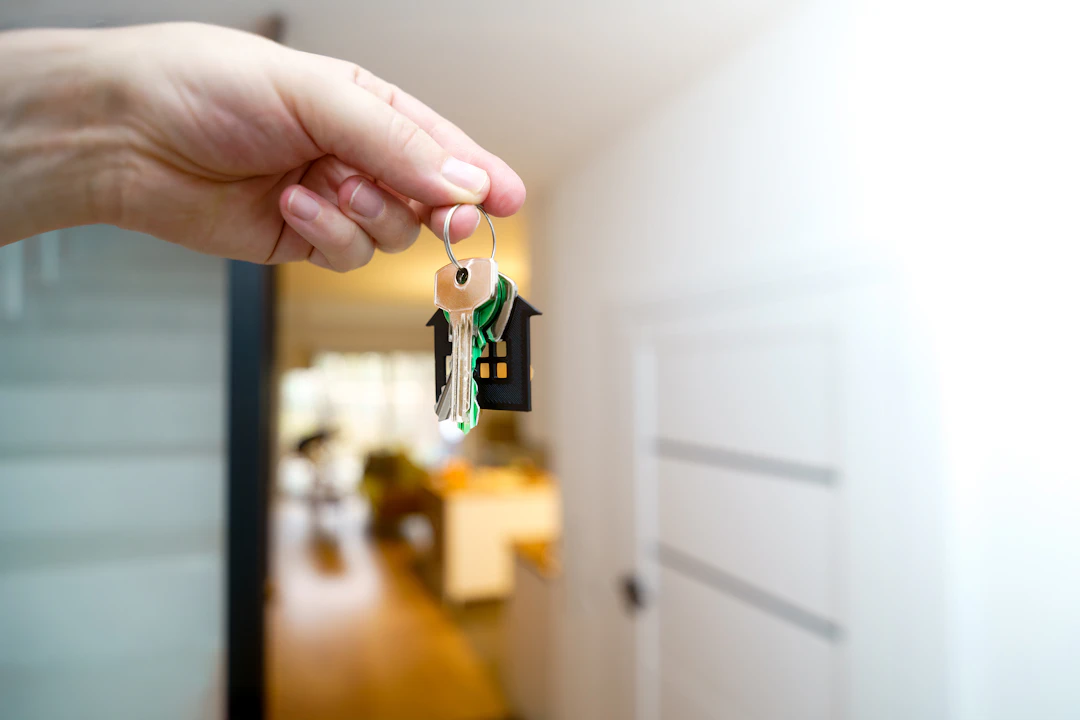
You’ll pay closing costs, which can include loan fees, taxes, and insurance. After signing, you’ll receive the keys and can move into your new home.
Example: Closing costs typically range from 2% to 5% of the purchase price. For a $300,000 home, expect to pay between $6,000 and $15,000 at closing.
What to Do After Closing
Once you have the keys, your home buying journey continues. Here are a few important next steps:
Change your address with the post office and update billing information.
Set up utilities like electricity, water, and internet.
Schedule any immediate repairs or renovations.
Review your mortgage payment schedule and set up automatic payments if possible.
Owning a home is rewarding but requires ongoing care and attention.


Comments